The Complete Buying Guide: Industrial Tires
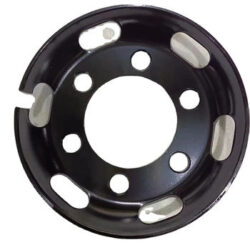
Industrial tires are essential for heavy-duty machinery used in construction, manufacturing, and material handling. These tires are developed to withstand extreme loads, harsh environments, and challenging surfaces while creating optimal performance and safety.
This guide covers everything you need to know about purchasing industrial tires to meet your operational needs.
Are Industrial Tires Special?
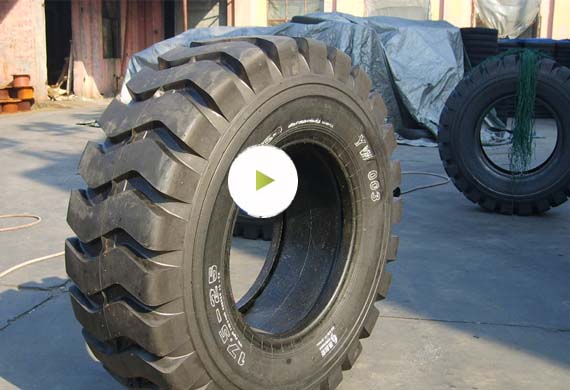
Yes, industrial tires are uniquely developed to cater to the demands of heavy-duty industrial equipment. They feature proven construction, specialized materials, and tailored designs for durability, traction, and load-bearing capacity.
Key Features of Industrial Tires:

- Durability: Built with reinforced rubber compounds to endure wear and tear.
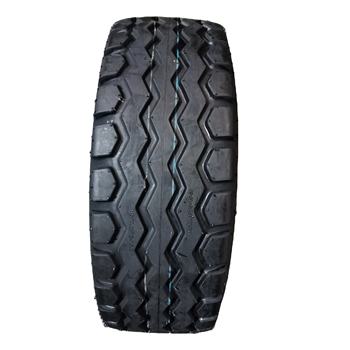
- Traction: Developed to handle rough, uneven, and slippery surfaces.
- Load-Bearing: Engineered to support the weight of heavy machinery and materials.
Industrial Tire Sizes
Selecting the correct tire size is crucial for safety, efficiency, and compatibility with your equipment. Tire sizes are indicated on the sidewall, showing dimensions such as width, height, and rim diameter.
Steps to Determine the Right Tire Size:
- Check the Equipment Manual: Manufacturers specify the recommended tire sizes.
- Inspect Existing Tires: Refer to the markings on your current tires for guidance.
- Match the Application: Choose sizes based on the type of machinery and operational needs.
Types of Industrial Tires
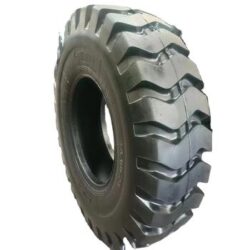
Industrial tires come in various types, each suited for specific machinery and operations.
- Solid Tires
- Ideal for forklifts and other material-handling equipment.
- Puncture-resistant and durable, appropriate for harsh environments.
- Pneumatic Tires
- Air-filled tires creating better shock absorption.
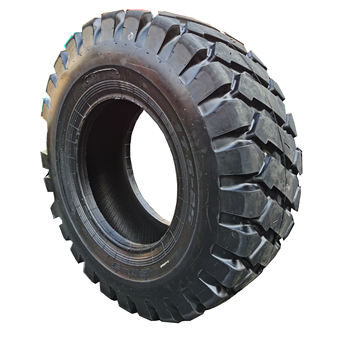
- Commonly used in loaders, excavators, and other off-road machinery.
- Foam-Filled Tires
- Similar to pneumatic tires but filled with foam for puncture resistance.
- Combines durability with cushioning for heavy equipment.
- Non-Marking Tires
- Developed for indoor use to prevent floor damage.
- Common in warehouses and manufacturing factories.
- Skid-Steer Tires
- Specifically developed for skid-steer loaders.
- Features deep treads for enhanced traction on rough surfaces.
Industrial Tire Construction
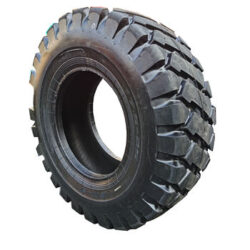
Industrial tires are constructed to endure extreme conditions and deliver consistent performance.
Steps in Tire Construction:
- Casing Assembly
- The tire casing is built using steel belts or nylon plies for strength and flexibility.
- Tread Formation
- Durable rubber compounds are molded into patterns for traction and wear resistance.
- Vulcanization
- Heat and pressure are applied to bond the components, enhancing durability.
- Dimensional inspection
- Tires undergo rigorous testing to verify they meet load, speed, and durability standards.
Load Capacity and Aspect Ratio
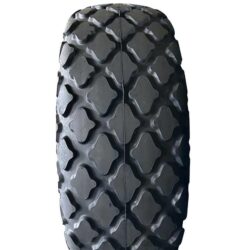
Load Capacity
Industrial tires are categorized by load ratings, which determine the maximum weight they can safely support. Always select tires with load capacities appropriate for your equipment and operations.
Aspect Ratio
The aspect ratio indicates the height of the tire relative to its width.
- Low Aspect Ratio: Delivers better stability and handling.
- High Aspect Ratio: Creates enhanced shock absorption for rough terrains.
Tires and Wheels Compatibility
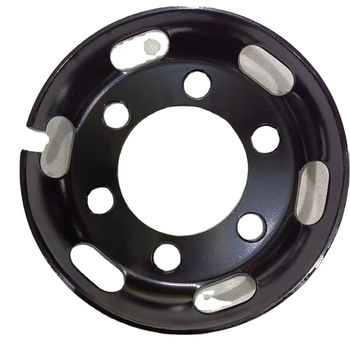
Industrial tires must be compatible with the wheels of your machinery to verify optimal performance and safety.
Key Considerations:
- Rim Diameter: Match the tire’s diameter to the wheel size.
- Width Alignment: Verify the tire width is compatible with the rim.
Choosing Industrial Tire Suppliers
Working with consistent suppliers is crucial to obtaining production-grade industrial tires that meet your needs.
Tips for Selecting Suppliers:
- Verify Certifications: Verify the supplier complies with industry standards.
- Compare Options: Request quotes and specifications from multiple suppliers.
- Assess Reviews: Look for customer feedback to evaluate supplier reliability.
Maintenance of Industrial Tires
Regular maintenance extends the lifespan of your industrial tires and verifies safe operations.
Maintenance Tips:
- Inspect for Damage: Check for cracks, punctures, and abnormal wear.
- Maintain Proper Inflation: Verify pneumatic tires are inflated to the recommended pressure.
- Rotate Tires: Distribute wear evenly by rotating tires periodically.
Conclusion
Industrial tires are a critical component of heavy machinery, impacting performance, safety, and operational efficiency. Selecting the right tires involves understanding factors such as size, type, load capacity, and compatibility.
What Are the Best Industrial Tires?
The best industrial tires are those that meet your specific operational needs, from durability to traction. Always purchase from reputable suppliers to verify quality and compliance with industry standards.
By following this guide, you can make informed decisions that enhance the performance and safety of your industrial equipment.