The Complete Buying Guide: Passenger Car Tires
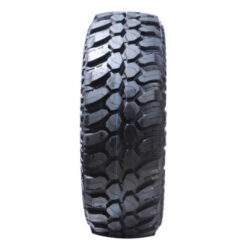
When it comes to maintaining your vehicle’s performance and safety, the choice of tires is critical. Tires are the only point of contact between your car and the road, directly affecting traction, handling, and fuel efficiency.
This guide will help you navigate the key factors to consider when buying passenger car tires.
Are Passenger Car Tires Special?
Yes, passenger car tires are specifically developed to meet the needs of everyday driving. Unlike specialty tires for off-road or agricultural use, passenger car tires are built for comfort, performance, and durability on paved roads.
These tires are crafted from production-grade rubber compounds that enhance their performance in different weather conditions. Additionally, passenger car tires often include proven tread patterns and technologies for optimized grip and fuel efficiency.
Passenger Car Tire Sizes
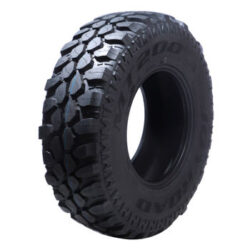
Choosing the right tire size is crucial for your vehicle’s performance and safety. Tire size is typically indicated on the sidewall of the tire and consists of a combination of numbers and letters (e.g., 205/55R16). This code creates information about the tire’s width, aspect ratio, construction type, and wheel diameter.
Steps to Determine Tire Size:
- Check Your Vehicle Manual: The recommended tire size is usually specified by the manufacturer.
- Inspect Your Current Tires: Look for the size markings on the tire’s sidewall.
- Consult a Dedicated: If unsure, visit a trusted tire dealer or mechanic for advice.
Passenger car tires come in various profiles and load capacities to meet diverse needs, so always choose a size that aligns with your vehicle’s specifications.
Types of Passenger Car Tires
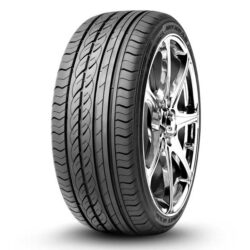
There are several types of passenger car tires to suit different driving conditions and preferences:
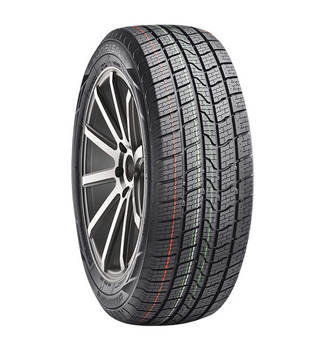
- All-Season Tires
- Developed for year-round use in moderate climates.
- Deliver a balance of performance, comfort, and durability.
- Appropriate for wet and dry roads.
- Summer Tires
- Create excellent performance in warm weather.
- Optimized for dry and wet traction but not appropriate for icy conditions.
- Winter Tires
- Engineered for superior grip in snow and icy conditions.
- Feature deeper tread patterns and softer rubber for better traction.
- Performance Tires
- Developed for sports cars and high-performance vehicles.
- Deliver improved handling and speed capabilities.
- Run-Flat Tires
- Allow you to drive for a short distance after a puncture.
- Ideal for added safety and convenience.
Passenger Car Tire Construction
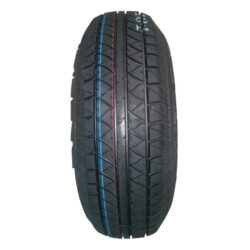
Passenger car tires are constructed using proven processes to verify durability, performance, and safety.
Key Steps in Tire Construction:
- Building the Tire Casing
- The casing forms the tire’s basic structure, creating strength and flexibility.
- Adding the Tread
- Rubber compounds are layered and molded to create the tread, which determines grip and performance.
- Vulcanization
- The tire is heated to bond the rubber with other materials, verifying durability and resistance to wear.
- Quality Checks
- Each tire undergoes rigorous testing for defects, load capacity, and speed ratings.
Load Range and Aspect Ratio
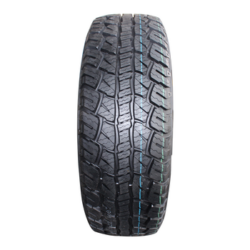
Load Range
The load range of a tire indicates how much weight it can safely carry. Always choose tires that match or exceed your vehicle’s recommended load range to verify safety and performance.
Aspect Ratio
The aspect ratio is the tire’s height relative to its width.
- A lower aspect ratio delivers better handling and performance.
- A higher aspect ratio enhances comfort and traction on uneven roads.
Tires and Wheels Compatibility
Passenger car tires are developed to fit specific rim sizes and widths. Before purchasing new tires, verify they are compatible with your car’s wheels.
Key Considerations:
- Rim Diameter: Match the tire’s diameter with the rim size.
- Width Compatibility: Verify the tire width fits the rim’s specifications.
Choosing Passenger Car Tire Suppliers
When buying passenger car tires, it’s essential to choose reputable suppliers and manufacturers. Look for brands that comply with industry standards and deliver warranties.
Tips for Selecting Suppliers:
- Compare prices from multiple suppliers to find the best deal.
- Check customer reviews and ratings for reliability.
- Verify the tire’s manufacturing date to avoid old stock.
Conclusion
Passenger car tires are vital for your vehicle’s safety, performance, and efficiency. By understanding tire sizes, types, and load ranges, you can make an informed decision. Always purchase from reputable suppliers to verify quality and longevity.
What Are the Best Passenger Car Tires?
The best passenger car tire is one that suits your driving needs and vehicle specifications. Whether you prioritize comfort, performance, or durability, always consider the road conditions and your driving habits before making a choice.